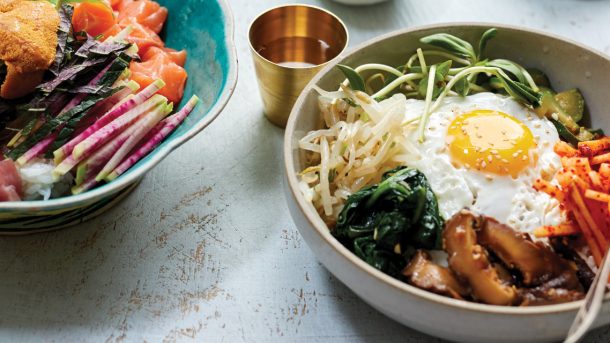
This Bibimbap recipe is a colorful and satisfying Korean rice bowl that combines fresh vegetables, tender beef, and a perfectly cooked egg. Each bite delivers a mix of textures and flavors, making it a meal you’ll want to enjoy again and again.
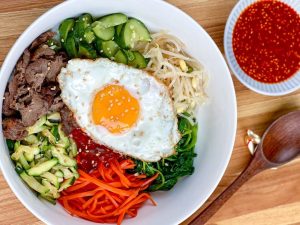
Bibimbap Recipe
Ingredients to make this Bibimbap Recipe
-
1 English cucumber, cut into matchsticks
-
¼ cup gochujang (Korean hot pepper paste) (optional)
-
1 bunch fresh spinach, cut into thin strips
-
1 tablespoon soy sauce
-
2 teaspoons olive oil, divided
-
2 carrots, cut into matchsticks
-
1 clove garlic, minced
-
1 pinch red pepper flakes
-
1 pound thinly sliced beef top round steak
-
4 large eggs
-
4 cups cooked white rice
-
4 teaspoons toasted sesame oil, divided
-
1 teaspoon sesame seeds
-
2 teaspoons gochujang (Korean hot pepper paste), divided (optional)
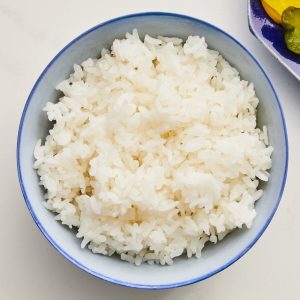
White rice
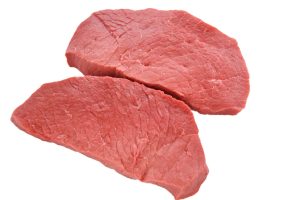
Beef top round steak
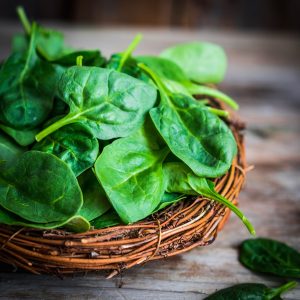
Spinach
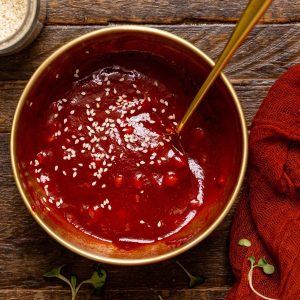
Gochujang
Directions
-
Prepare the Vegetables:
-
Heat 1 teaspoon olive oil in a skillet over medium heat.
-
Quickly sauté the spinach with half the garlic, soy sauce, and a pinch of red pepper flakes until just wilted. Set aside.
-
In the same skillet, cook the carrots for 2–3 minutes until slightly tender. Set aside.
-
Keep the cucumber raw to add a crisp, refreshing crunch.
-
-
Cook the Beef:
-
Toss the beef slices with the remaining garlic and 1 teaspoon of olive oil.
-
Heat a skillet over medium-high heat and cook the beef for 3–4 minutes until it’s browned and flavorful.
-
-
Cook the Eggs:
-
In a nonstick pan, fry the eggs sunny-side up or to your liking.
-
-
Assemble the Bowls:
-
Divide the cooked rice evenly into four bowls.
-
Arrange the spinach, carrots, cucumber, and beef over the rice in separate sections.
-
Place a fried egg on top of each bowl.
-
Drizzle 1 teaspoon of toasted sesame oil over each serving.
-
Add a spoonful of gochujang if desired, and sprinkle with sesame seeds.
-
-
Serve and Enjoy:
-
Before eating, mix everything together so the flavors blend. This is the perfect way to enjoy this classic Bibimbap recipe.
-
Nutrition (per serving, approx.) about this Bibimbap Recipe
-
Calories: 520 kcal
-
Protein: 30 g
-
Carbohydrates: 60 g
-
Fat: 18 g
-
Fiber: 5 g
-
Sodium: 720 mg
Prep Time
-
Prep: 15 minutes
-
Cook: 15 minutes
-
Total: 30 minutes
FAQ
Q: Can I use brown rice instead of white rice?
A: Yes! Brown rice adds extra fiber and a slightly nutty flavor that pairs perfectly with the vegetables and beef.
Q: Do I have to use gochujang?
A: No, it’s optional. It adds a spicy, savory depth, but the dish is still delicious without it.
Q: Can I make this vegetarian?
A: Absolutely! Swap beef for tofu, mushrooms, or tempeh for a vegetarian Bibimbap recipe.
Q: Can I meal prep Bibimbap?
A: Yes, store rice and toppings separately, then add the egg fresh when ready to serve to maintain the best texture.
Source: www.allrecipes.com